
Tōki Artisan Tiles
製品紹介

各地の焼き物をタイルとして使用することは、日本の伝統工芸を現代の建築やインテリアに取り入れることを意味します。これにより、文化的価値を次世代に伝えるとともに、日常生活に日本の美意識を取り入れることができます。

津軽亀ヶ岡焼

創年:1979年~
津軽ヶ岡焼は、陶芸家の一戸広臣氏によって設立されました。一戸氏は岐阜や京都で修行を積んだ後、故郷であるつがる市に戻り、俺ヶ岡遺跡の近くに窯を開きました。
Established: 1979-
Tsugaru Kamegaoka Ware was founded by potter Hiroomi Ichinohe. After training
特徴
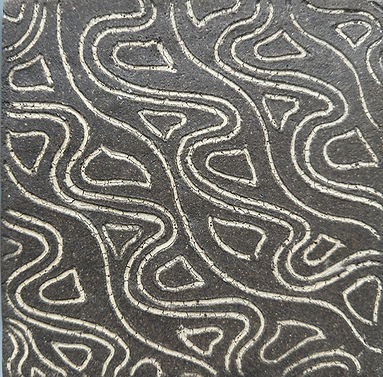
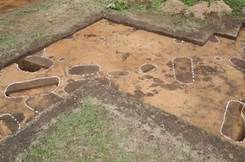
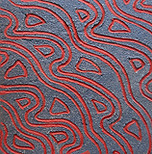
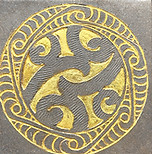
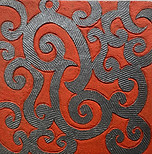
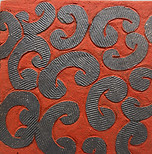
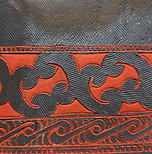
津軽ヶ岡焼は、毛ヶ岡遺跡で発掘された土器に見られる「雲形紋(うんけいもん)」という模様を取り入れています。この模様は縄文時代の芸術性を現代に伝える重要な要素です。
Tsugaru Kamegaoka-yaki incorporates the "Unkei-mon" (cloud-shaped patterns) found on pottery excavated from the Kamegaoka archaeological site. These patterns are an important element that conveys the artistic sensibilities of the Jomon period to the present day.


PICK UP







小石原焼


創年:天和2年(1682)
イギリスの陶芸家で、画家でもあるバーナード・リーチに『用の美』と称賛された民・小石原焼。その歴史は約350年前にさかのぼります。1958年の世界工芸展グランプリ受賞を機に、1960年代頃から日本全国にその名を知られることとなりました。独特の紋様、土の温かみを感じる素朴さが現代のライフスタイルに馴染むこともあり、今なお全国的にファンが多い焼き物の一つです。
Established: : Tenwa 2nd year (1682) ~
Koishiwara ware is a folk pottery that was praised by the British potter and painter Bernard Leach as having "beauty in utility." Its history dates back about 350 years. After winning the Grand Prix at the World Crafts Exhibition in 1958, it became known throughout Japan from around the 1960s. Its unique patterns and simplicity that evokes the warmth of the earth are well suited to modern lifestyles, and it is still one of the pottery styles with many fans nationwide.
特徴
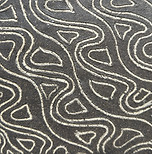
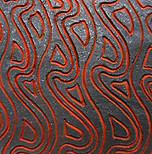
黒田3代藩主・光之が招いた肥前・伊万里の陶工が中国風の磁器を伝え、既に小石原にあった高取焼と交流することで、小石原焼が形成されました。素朴で温かい味を出す、飛び鉋、刷毛目、櫛目、指猫、流し掛け、打掛けなどの技法が生きています。
The third lord of the Kuroda domain, Mitsuyuki, invited potters from Imari in Hizen Province, who introduced Chinese-style porcelain. Through interactions with Takatori ware, which already existed in Koishiwara, Koishiwara ware was formed. Techniques such as tobikanna (chattering), hakeme (brush strokes), kushime (comb patterns), yubineko (finger marks), nagashikake (pouring glaze), and uchikake (splashed glaze) are still alive, showcasing its rustic and warm charm.


PICK UP


